What Keeps a Garden Looking Great?
The best-looking gardens usually have a few things in common: healthy soil, sensible planting, regular mowing and edging, timely pruning, reliable weed control, seasonal tidy-ups and attention to detail. A garden does not need to be fussy to look excellent. It needs structure, rhythm and care. That means lawns cut properly, borders refreshed before they become tired, flowers looked after through the blooming season, and hedges and shrubs kept under control rather than left to become a major job later on.
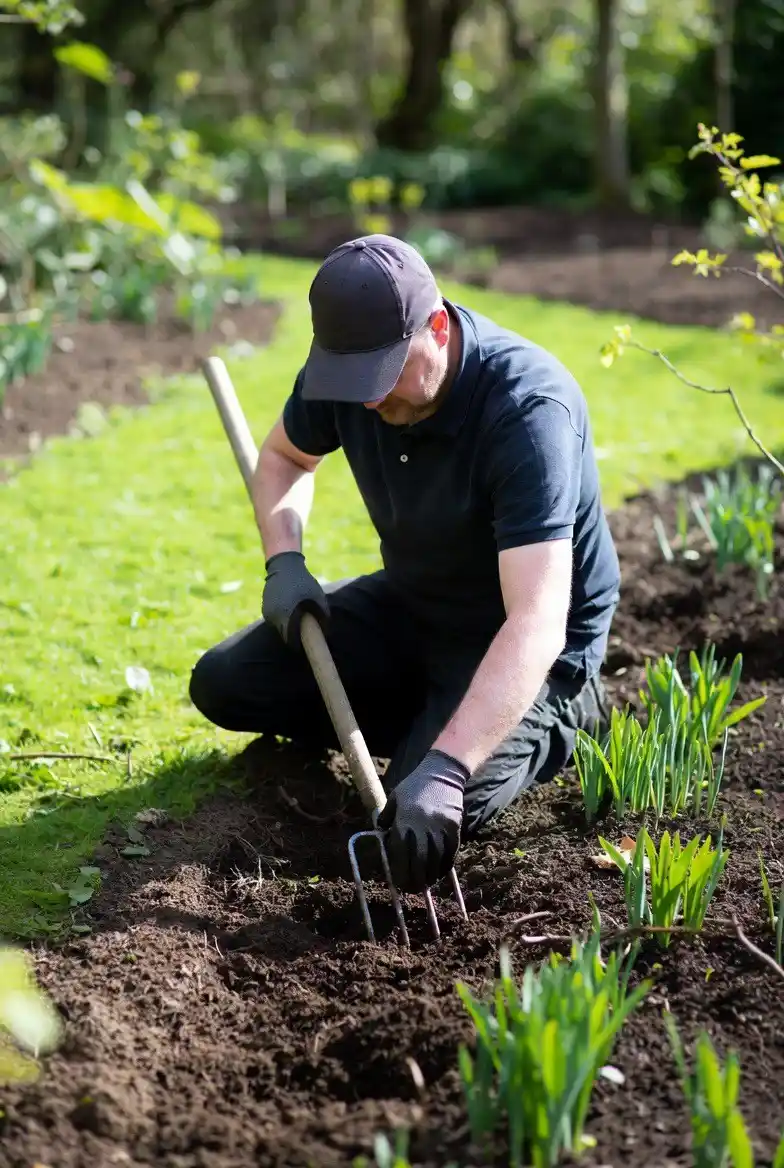
Spring Garden Care
Spring is about waking the garden up properly. Growth begins to move fast, lawns start to recover, weeds appear quickly and borders need attention before they get untidy.
Refresh the whole garden
Clear leaves, twig debris, dead stems and any winter clutter. A proper spring tidy-up makes every other job easier.
Start mowing carefully
Do not scalp the lawn early in the season. A gentle start encourages healthier growth and avoids stress on the grass.
Feed soil and borders
Spring is one of the best times to add compost or organic matter to beds, improving structure and helping plants grow strongly.
Plant for colour and freshness
Spring is a good time for refreshing containers, filling gaps in borders and getting new planting established while the weather is still mild.
- Tidy and edge lawns so the garden immediately looks sharper.
- Cut back tired winter growth where needed, but avoid rushing every pruning job without checking the plant type.
- Watch for weeds early — this is one of the easiest times to keep them from spreading.
- Inspect fences, gates and hard surfaces after winter weather.
- Give beds a surface mulch after feeding and weeding to help hold moisture and suppress weeds.
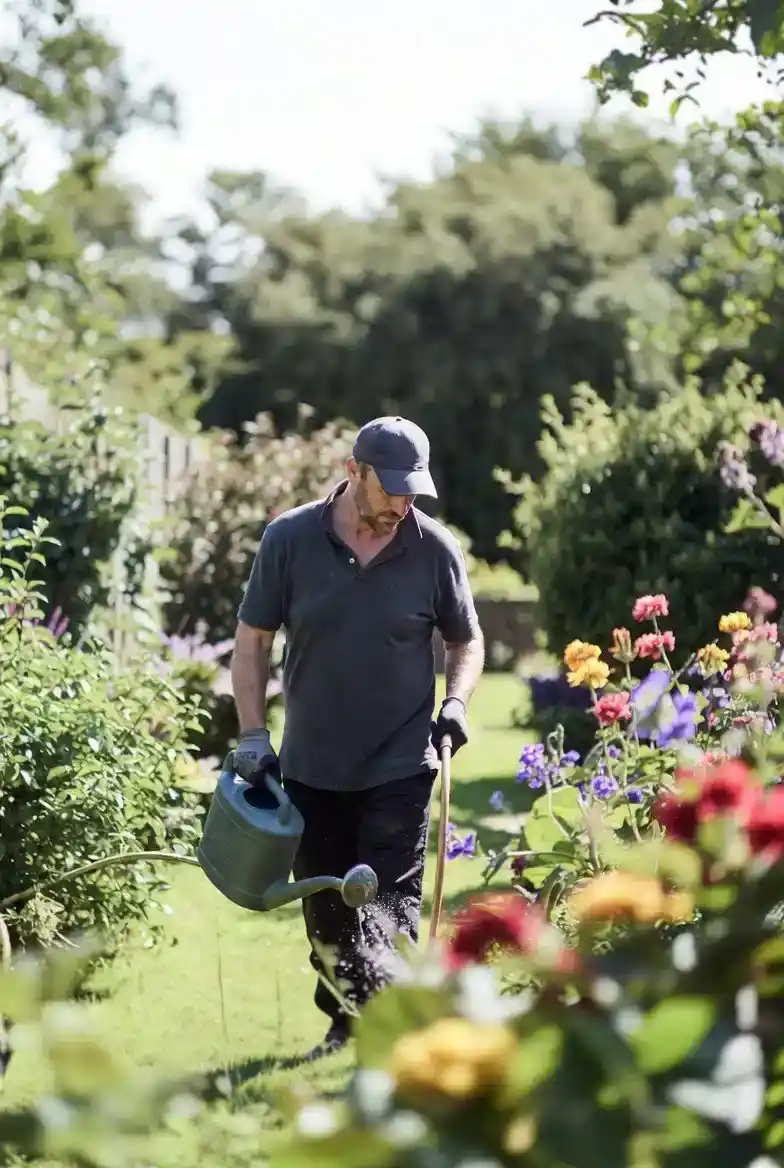
Summer Garden Care
Summer is when gardens are most used and most visible. It is also when regular attention matters most. A little and often works much better than waiting until the garden starts to look tired.
- Keep lawns cut regularly, but raise the cut slightly in hot dry periods.
- Water new planting, pots and dry borders thoroughly rather than giving light, frequent splashes.
- Deadhead flowering plants where appropriate to keep displays going longer.
- Trim hedges and shrubs before they become heavy, uneven or untidy.
- Stay on top of weeds before they seed and spread.
- Check patios and paths for slippery build-up in shaded or damp areas.
- Summer is a good time to notice where a garden lacks colour, balance or structure.
Think about heat and moisture
Mulch helps soil stay cooler and reduces moisture loss, especially around borders and newly planted areas.
Keep things shaped
Light summer maintenance keeps the whole garden looking smarter than leaving shrubs, edges and lawns to drift out of shape.
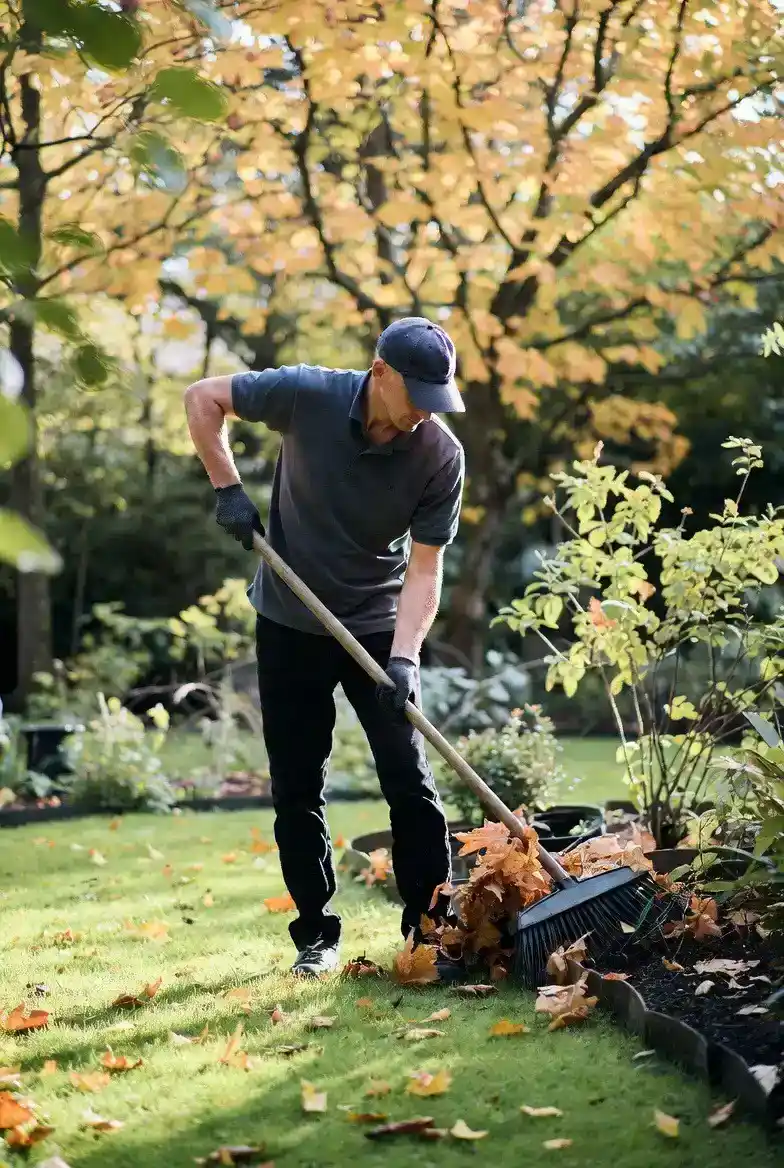
Autumn Garden Care
Autumn is one of the most important seasons for keeping a garden in good order. It is the time to clear, reduce mess, prepare soil, protect the lawn and get ready for colder weather.
Deal with leaves quickly
Leaf build-up can smother lawns, clog corners and make paths slippery, so regular clearance keeps the garden safer and tidier.
Use fallen material wisely
Healthy leaf matter can be composted or used as leaf mould over time, which is excellent for improving soil texture.
Refresh borders
Autumn is a strong time for planting certain shrubs, perennials and bulbs, especially while the soil still has warmth in it.
Prepare for winter wet
Clear drainage routes and watch for low spots where standing water may become a recurring problem.
- Tidy the lawn and keep it free of heavy leaf cover.
- Clean patios and hard surfaces before winter algae and damp make them worse.
- Plant spring bulbs in borders and containers for colour next year.
- Add compost or mulch to bare beds after clearing them down.
- Take the chance to improve structure before the garden goes quiet.
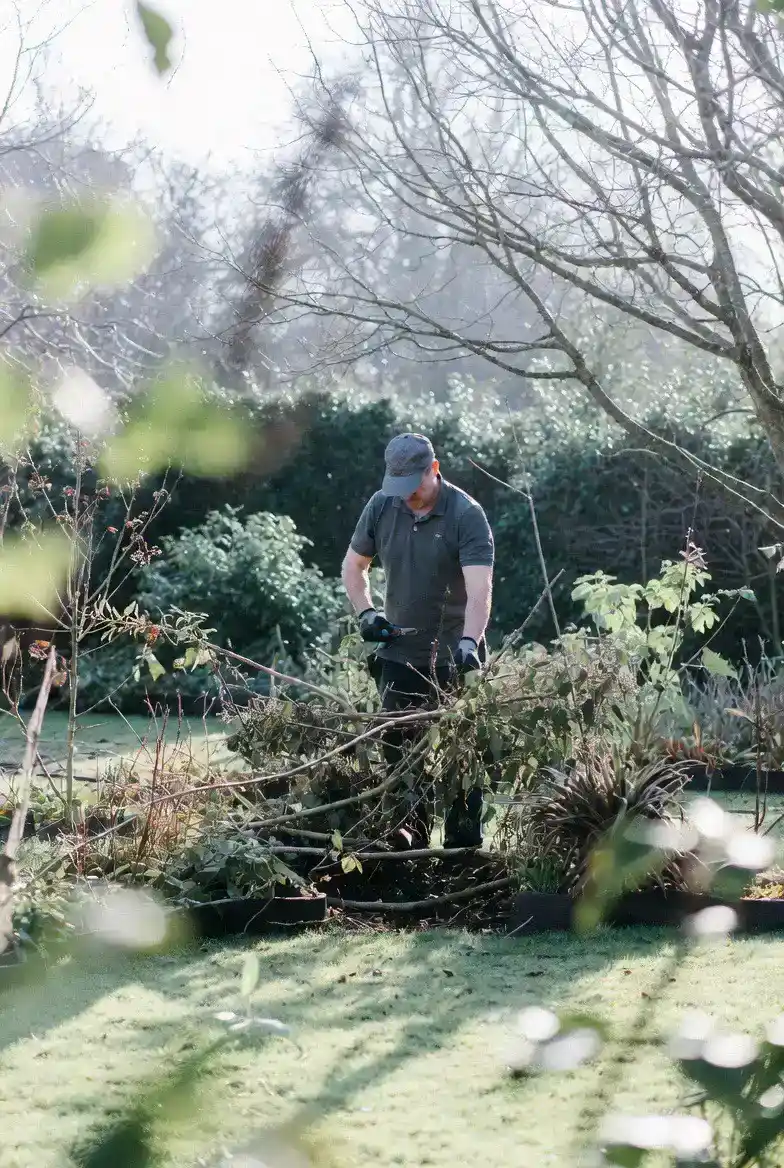
Winter Garden Care
Winter is quieter, but it is not a season to ignore the garden completely. Small winter jobs make a huge difference to how the garden starts the next year.
- Clear debris little and often so the garden does not enter spring already looking neglected.
- Inspect fences, walls, gates and edging after wind and bad weather.
- Watch for drainage issues and standing water.
- Use the quieter period to plan pruning, planting changes, hardscaping or lawn improvements.
- Evergreen structure matters in winter — hedges, topiary, shrubs and well-defined edges keep the garden looking intentional.
Protect the soil
Winter is a good time for mulching beds so the soil is covered, nourished and better prepared for spring.
Plan properly
Take note of where the garden feels empty, muddy, overly shaded, too exposed or awkward to maintain. Winter reveals structure clearly.
Flower Care Tips
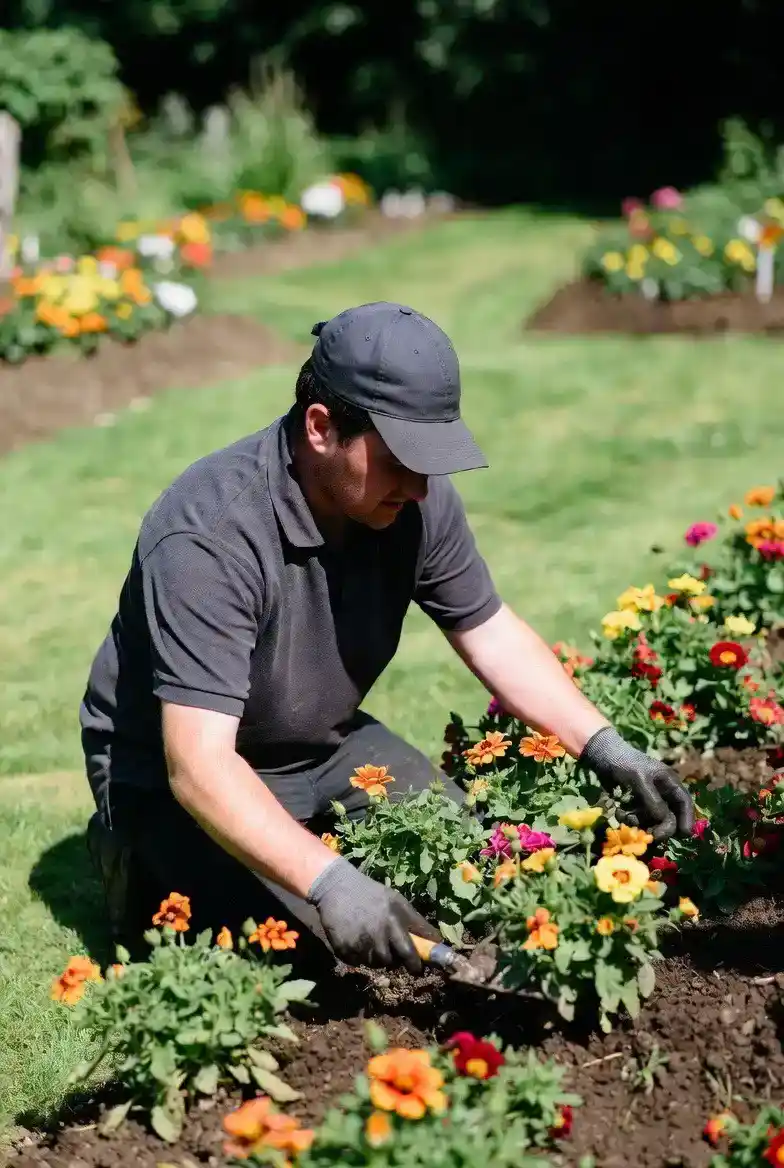
Flowering plants often make the biggest visual difference in a garden, but they do best when they are chosen for the right place and looked after through the season.
- Plant sun-loving flowers where they get enough light; shady corners need a different plant choice rather than forcing the wrong one to cope.
- Deadhead regularly where suitable to encourage repeat flowering and a tidier display.
- Support taller plants before they flop rather than after they collapse.
- Feed hungry flowering plants sensibly in the growing season, especially in pots and containers.
- Keep an eye on spacing — crowded flower beds can quickly become harder to manage and more prone to poor airflow.
- Mix longer-lasting structure with seasonal colour so the garden is not dependent on one short burst of bloom.
Soil, Compost & Mulch
Good gardening nearly always starts with the soil. If the soil is poor, compacted, dry, starved or lifeless, the whole garden will struggle more than it needs to.
Why compost matters
Compost adds organic matter, improves soil structure, helps with moisture retention and supports healthier root development in beds and borders.
Why mulch matters
Mulch helps suppress weeds, protects the soil surface, reduces moisture loss and gives the garden a cleaner, finished look.
Better soil means better plants
Healthy soil usually means stronger growth, better flowering, less stress in dry weather and a more resilient garden overall.
Little improvements add up
You do not need to replace a whole garden at once. Adding organic matter regularly over time can steadily improve difficult beds.
- Add compost to beds during key seasons, especially spring and autumn.
- Use mulch after weeding and tidying so borders stay neater for longer.
- Pay attention to drainage as well as feeding — overly wet areas need a different solution than dry ones.
- Good soil care is one of the most overlooked parts of keeping a garden in top condition.
What to Plant for Seasonal Interest
A balanced garden looks better all year when planting is spread across the seasons rather than relying on only one burst of colour.
Spring
Bulbs, early flowering perennials, fresh foliage and flowering shrubs can give the garden a strong start and lift the whole space after winter.
Summer
Summer colour often comes from flowering borders, containers, longer-blooming plants and well-maintained mixed beds.
Autumn
Late flowers, grasses, berries, seed heads and foliage colour help stop the garden fading too quickly at the end of the main season.
Winter
Evergreens, clipped structure, bark interest and strong shapes keep the garden looking considered when flowers are less active.
- Plant according to light, shelter and soil conditions, not just what looks nice in a garden centre.
- Use repetition so the garden feels coherent and intentional.
- Mix structure plants with seasonal highlights.
- Think about what each area should do: colour, privacy, softness, screening, structure or ease of maintenance.
Lawn Care Basics
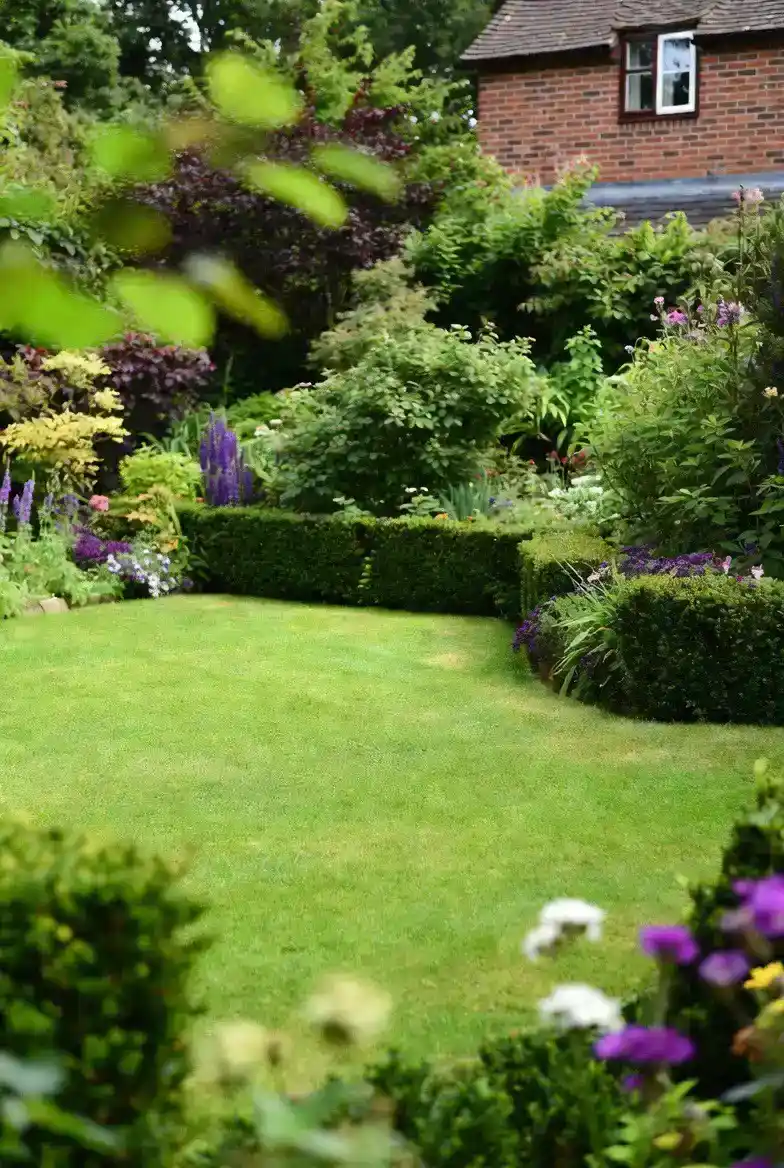
- Mow regularly in the growing season, but do not take too much off in one go.
- Keep edges neat — edging often makes more visual difference than people expect.
- Feed when the lawn is actively growing and would benefit from support.
- Do not ignore weeds and tired patches until they spread everywhere.
- Leaf clearance matters in autumn because a lawn left covered will usually decline in appearance and health.
- A lawn looks best as part of a whole tidy garden, not as an isolated feature.
Need Help Keeping Your Garden in Top Shape?
If you would like help with lawn care, seasonal tidy-ups, flower beds, garden maintenance, hedges, planting, pressure washing or general garden improvements, we would be happy to help.
Contact us by WhatsApp, phone or email for practical advice or a free, no-obligation quote.